Beyond the Crisis: Mission Amid Persecution 🌍

A young continent at a crossroads
Pacifique Bisangwa
Listen to this article
Africa is the youngest continent in the world. According to the African Union, more than 400 million young people are between the ages of 15 and 35, nearly 70 per cent of the population. By 2030, African youth are expected to make up 42 per cent of the global youth population.
This demographic reality presents a remarkable opportunity for the Church in Africa and for global evangelization. Unlike many parts of the world where young people are leaving the Church, African churches remain full of youth. They are present, active, and searching. Yet, presence does not always mean awakening.
I grew up in church but only understood the call to reach the nations during my college years. As I travel and visit churches across Africa, I see the same pattern. Many young African believers are yet to see themselves as participants in God’s global mission.
Potential and reality
Young people are naturally driven by purpose. They are curious, energetic, and often willing to take risks for something meaningful. However, they need a cause worthy of that risk. When young people discover that life’s ultimate purpose is to make Christ known among all nations, something shifts. When they realize there is no greater calling, many respond with passion and commitment.
Within our churches, we must ask not only how many Christians we have, but also what kind of disciples we are forming. When young people do not fully understand what it means to follow Christ, the idea of mission becomes distant and abstract.
Additionally, connection to global ideas is influencing the youth with new perspectives. For example, recent data in Rwanda show a growing number of people with no religious affiliation. While still small, this shift signals a broader trend that may continue across the continent. This presents a warning; the Church must act intentionally while young people are still open and engaged in local churches.
True discipleship involves transformation into Christ’s character and obedience to his command to make disciples of all nations (Matt. 28:19-20). It requires intentional mentoring, where older believers invest in younger ones, not only teaching Scripture, but also modeling a life of obedience.
At the same time, there are encouraging signs. Across the continent, many young people are seeking truth with sincerity. In some places, they are challenging unhealthy practices and calling for a return to the gospel. This hunger is a sign of hope but it must be guided with wisdom and humility. Without mentorship, even passionate young leaders can struggle.
Barriers and pathways
One of the greatest barriers to youth involvement in mission is financial. Cross-cultural mission work is costly, often requiring more support than local ministry, and young people hesitate to respond to God’s call because of economic realities.
In Africa, this challenge is even more complex due to communal expectations. Family expectations on young people, especially after completing their education, can make choosing mission work appear irresponsible.
Some youths are also discouraged by the experiences of previous generations. Those raised in missionary or pastoral families may have seen their parents struggle financially, making them hesitant to follow the same path.
While there are flexible forms of mission funding, the Church must take collective responsibility to support those sent. In many African contexts, believers are highly responsive to church leadership. When leaders actively encourage and support missions, congregations often follow. This influence must be stewarded well.
At the same time, partnership is crucial. Parachurch organizations and mission agencies bring valuable experience in training and member care, while local churches provide community and long-term support. Rather than working separately, these groups must collaborate.
Finally, young people themselves must embrace humility and patience. A genuine call to mission should be tested and nurtured within community. Going alone, without accountability or support, often leads to unnecessary struggles. Let’s work together to support and encourage the valuable resource of young people in missions.
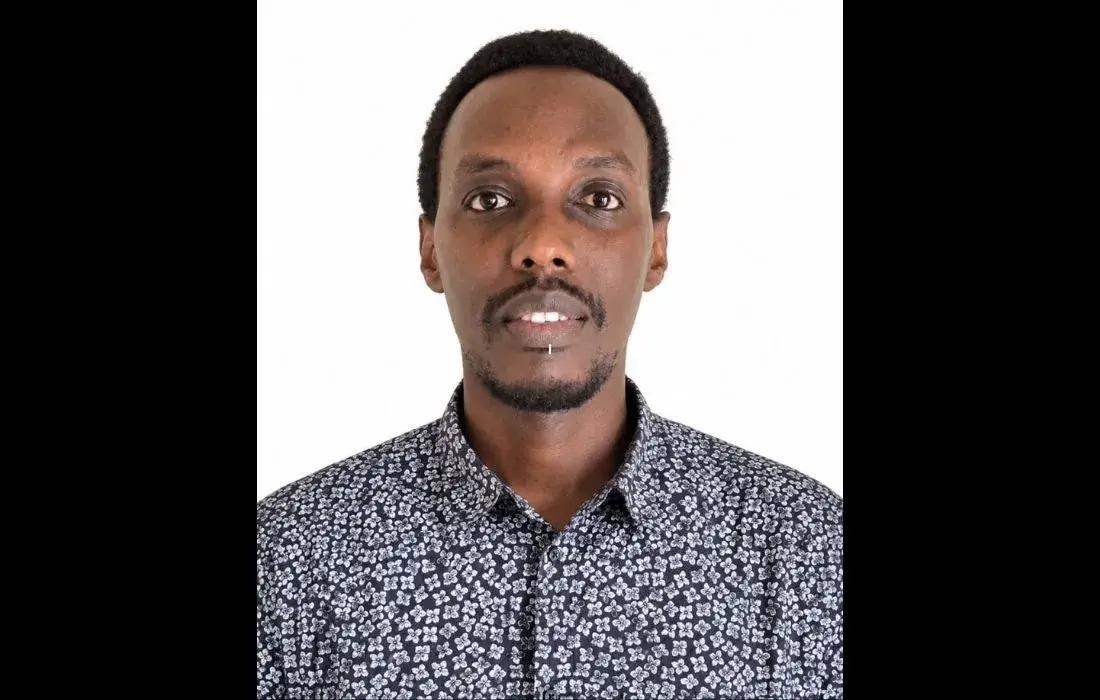
Pacifique Bisangwa is a Rwandan mission mobilizer. In 2018, he co-founded Tubasange and currently serves as its Executive Director. He is also the National Team Leader for the Perspectives Course in Rwanda. He previously served with GBU (IFES) and Youth for Christ. He is married to Assumpta Murenzi and they have two young daughters. They live in Kigali, Rwanda.