Beyond the Crisis: Mission Amid Persecution 🌍

Reflections by an African missionary kid
Eliya Shilikale
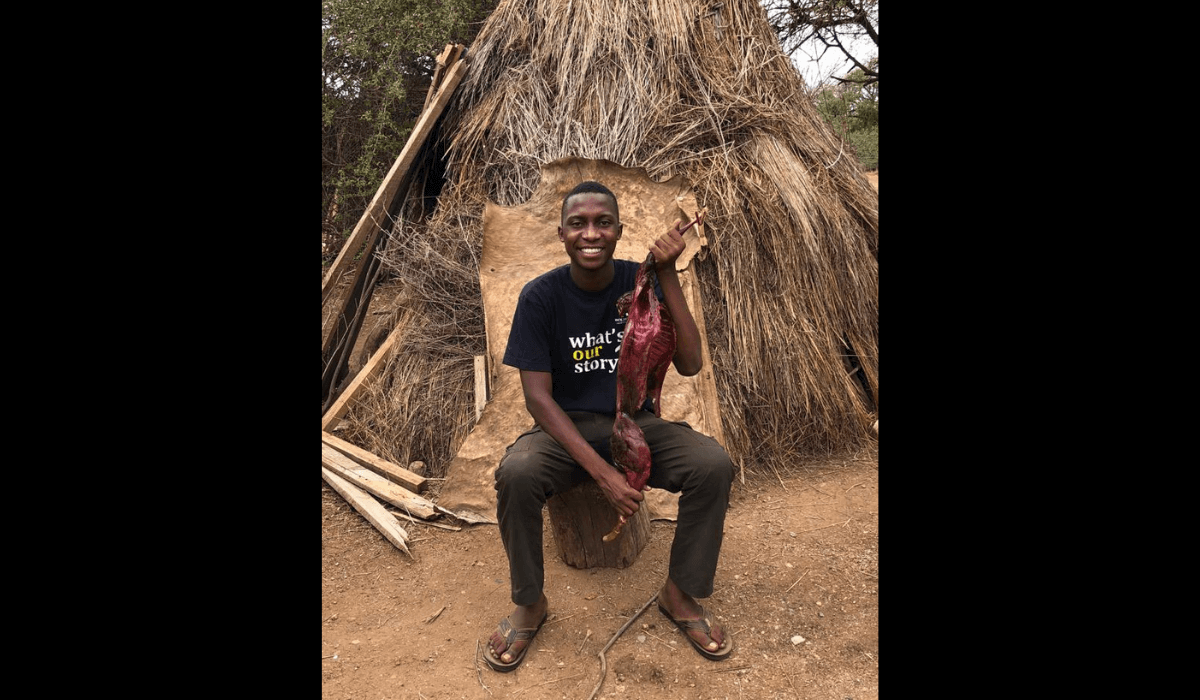
Missionary kids grow up in a world shaped by faith, culture, sacrifice, and a deep sense of purpose. Their childhood is different from many others because they are raised in places where their parents serve among unreached people groups, teach, translate Scripture, plant churches, and support communities. Their lives become living testimonies of how God uses families, not just individuals, but also bring his light to nations. Missionary children grow up observing missions every day, seeing their parents pray, persevere, and trust God. This gives them a faith that is grounded in real-life experiences, not only teachings. Their introduction to ministry is not theoretical but practical and lived out, making their journey rich, sometimes difficult, but always meaningful. As they grow, many also receive training that deepens their understanding of Scripture and prepares them to serve in areas such as Bible translation, enabling them to connect their upbringing with solid biblical foundations.
Being a missionary kid is a journey shaped by movement, cultural diversity, and ministry involvement. For example, some children grow up moving between tribes and adapting to new environments. An example is growing up among the Maasai people, living a simple but deeply communal life where relationships matter more than things. Living among the Alagwa people, a community strongly shaped by Islam, teaches a missionary child how to respect other beliefs while sharing Christ with gentleness and wisdom. Watching churches begin in a place that was once fully Muslim becomes a powerful reminder of God’s transforming power. Living among the Hadzabe, one of the most unique hunter-gatherer tribes in East Africa, demonstrates how vital Scripture is when it finally reaches people in their own language. These experiences shapes the missionary child worldview, helping them understand the beauty of cultures, the reality of spiritual need, and the joy of witnessing people encounter the gospel. Growing up in these settings often gives children a personal sense of calling this is because they have seen God’s work among different tribes, languages, and religions, and they begin to feel a deep desire to continue serving Him among the nations.
Growing up in ministry also shapes missionary kid personal faith. They learn by watching their parents’ dedication, sacrifice, and love for others. Later in life, many pursue studies that help them handle Scripture accurately and understand language, culture, and translation principles, training that equips them for ministry and helps solidify their sense of calling.
Here are some ways missionary kid grow spiritually in unique ways:
- Faith is lived daily – They see prayers answered, people healed, and lives changed.
- They participate early in ministry – Teaching children, helping in worship, translating small portions, and supporting community projects.
- They learn dependence on God – Especially during sickness, financial challenges, or difficult spiritual environments.
These experiences build a strong foundation of faith, showing him that God is real and active in their everyday life.
Yet, missionary kids also face challenges that shape their emotional and spiritual maturity. Because they live between countries, cultures, or tribes, they often struggle with identity and belonging. It can be difficult to say goodbye frequently to friends, adjust to new languages, or grow up far from extended family.
Some of the challenges they commonly face include:
- Cultural confusion – Feeling like they don’t fully belong to any one culture.
- Constant transitions – Moving from one community or tribe to another.
- Exposure to hardship – Such as poverty, sickness, spiritual warfare, or persecution.
Despite these struggles, they develop resilience, maturity, and compassion. They learn early that following Jesus sometimes costs something, but the reward is greater. Their strength is often drawn from Scripture. For many missionary kids, verses like Isaiah 6:8, “Here am I. Send me!” remind them that God can call anyone even children into his mission. Other verses such as “I can do all things through Christ who strengthens me” (Philippians 4:13) become anchors during difficult moments. These Scriptures often play a major role in confirming their personal calling, especially when they begin to sense that God might be leading them into ministry just as he led their parents.
Because their lives are unique, they benefit greatly from intentional support. Families, churches, and mission communities can help strengthen them by offering emotional care, spiritual mentoring, and practical help.
Some of the best ways to support them include:
- Listening to their experiences – Giving them safe spaces to share feelings.
- Providing quality education – Whether through good schools, homeschooling, or scholarships.
- Encouraging their gifts – Allowing them to explore music, leadership, languages, or ministry roles.
- Praying for them regularly – As frontline children, they also face spiritual challenges.
With this kind of support, missionary kids thrive. Many grow up with a heart for missions, for people, and for God’s Word. Some follow their parents’ footsteps into ministry, translation, teaching, medicine, or counseling. Others serve in different professions but carry the values learned from growing up in God’s mission field. Some even pursue missiological studies to gain training for the ministry that they feel God is calling them into. Their desire to serve often comes from years of witnessing God’s faithfulness in different cultures and sensing that he may be preparing them for similar work. For example, I am studying to be a Bible Translation Consultant and my brother is studying to be a missionary pilot.
Missionary kids may live unusual lives, but their stories reveal the beauty of God’s work across cultures. Their journey shows the world that missions is not just for adults it is for whole families shaped by love, faith, sacrifice, and hope. They remind us that when children grow up seeing God move among nations, they too learn to carry his light wherever they go. For many, this becomes the root of their calling seeing the gospel touch lives and wanting to be part of that work for the rest of their lives.